



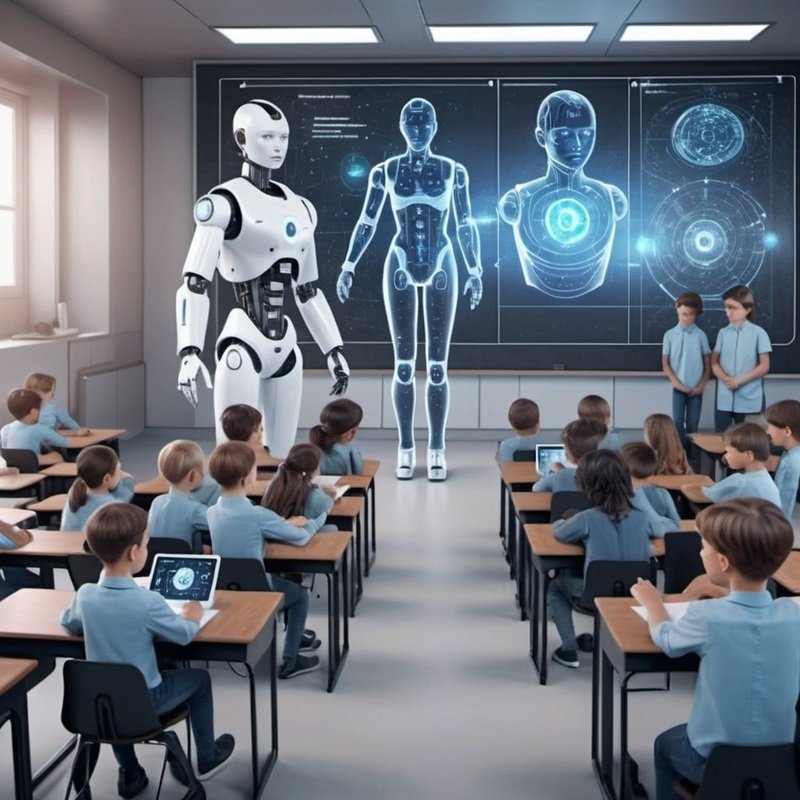
AI in Education: How Artificial Intelligence is Reshaping the Classroom
Artificial Intelligence (AI) is transforming the world of education, creating new possibilities for both teachers and students. From personalized learning experiences to automated administrative tasks, AI technologies are reshaping how classrooms function and how knowledge is delivered. As schools and universities increasingly adopt AI-driven tools, the education sector is witnessing one of its most significant technological shifts in decades.
Personalized Learning Experiences
One of the most impactful uses of AI in education is personalized learning. AI systems can analyze a student’s strengths, weaknesses, and learning pace to tailor lessons that meet their individual needs. This ensures that each student can learn at their own speed, helping those who struggle with certain subjects while allowing advanced learners to move ahead. Platforms like adaptive learning software and intelligent tutoring systems are making education more inclusive and effective.
Smart Tutoring Systems
AI-powered virtual tutors are becoming more common in schools and online learning platforms. These systems provide students with instant feedback, additional practice materials, and step-by-step explanations outside of regular classroom hours. By simulating one-on-one tutoring, AI helps reduce the learning gap and offers personalized support even when teachers are not available. This approach enhances student engagement and boosts academic performance.
Automating Administrative Tasks
Teachers often spend a significant amount of time on grading, scheduling, and managing paperwork. With AI automation, many of these tasks can now be handled more efficiently. AI tools can grade multiple-choice tests, analyze student progress, and even provide insights into classroom performance trends. By reducing the administrative workload, teachers can dedicate more time to interactive teaching and student development.
Enhancing Student Engagement
AI also plays a key role in increasing student engagement through interactive and immersive learning experiences. Tools like AI chatbots, gamified lessons, and virtual classrooms make learning more dynamic and enjoyable. For example, AI can turn complex subjects into interactive games or simulations, helping students better understand difficult concepts while maintaining their interest and motivation.
Bridging Language and Accessibility Gaps
One of the most powerful aspects of AI in education is its ability to improve accessibility. AI-powered translation tools and speech recognition technologies allow students from different linguistic backgrounds to learn together seamlessly. Additionally, AI-driven assistive technologies help students with disabilities by providing text-to-speech, real-time captioning, and adaptive interfaces, ensuring equal opportunities for all learners.
Data-Driven Insights for Teachers
AI provides educators with valuable data insights that help them make informed decisions. By analyzing patterns in student behavior and academic performance, teachers can identify learning gaps, predict outcomes, and create customized intervention strategies. This data-driven approach empowers educators to provide timely support and improve overall classroom outcomes.
The Future of AI in Education
As technology continues to advance, the future of education will become increasingly intertwined with AI. From predictive learning analytics to fully adaptive classrooms, the potential applications are vast. However, it remains essential to balance innovation with ethics—ensuring student privacy, data security, and the human touch in teaching. With the right approach, AI in education promises to make learning more engaging, equitable, and effective for generations to come.